As a place so far, so separated from the rest of the world and so inspiring of a fantasy image, life in Andamans had to be strikingly different. People should be curious, to us and of us. Or so I thought going on this trip.
Port Blair proved otherwise. It was a medium-sized city, commercially developed like other cities of India. Modern civilization seemed to have imparted many of its qualities to these distant lands – infrastructure, rows of busy shops and houses, and organized religion with its temples and churches. Life of settlers in Port Blair did not seem very different from that in a town in India.
The big attractions in Port Blair were its museums and the famed cellular jail.
The museums were quite interesting. There were displays of huge shells and skeletons of marine animals.
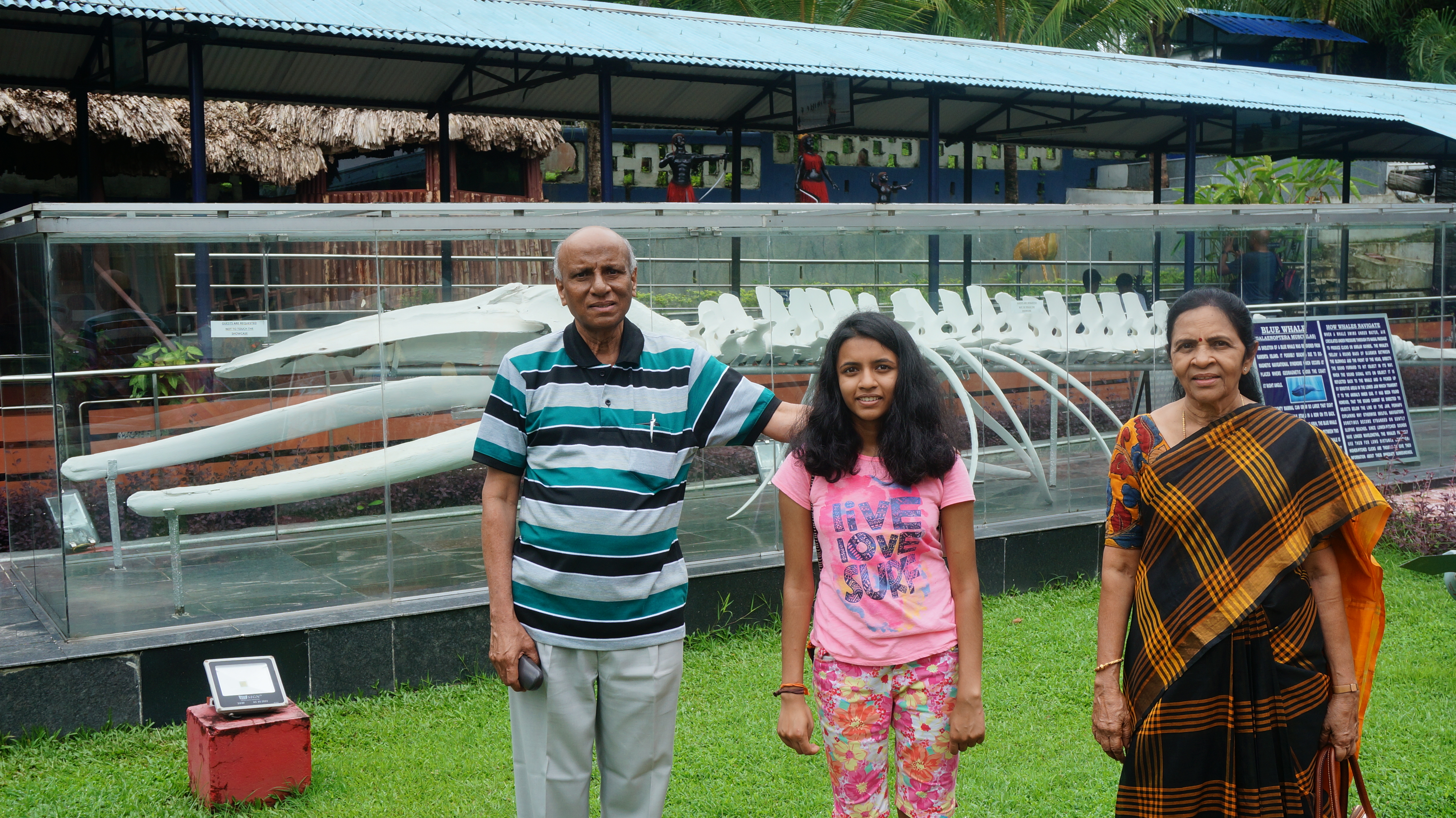
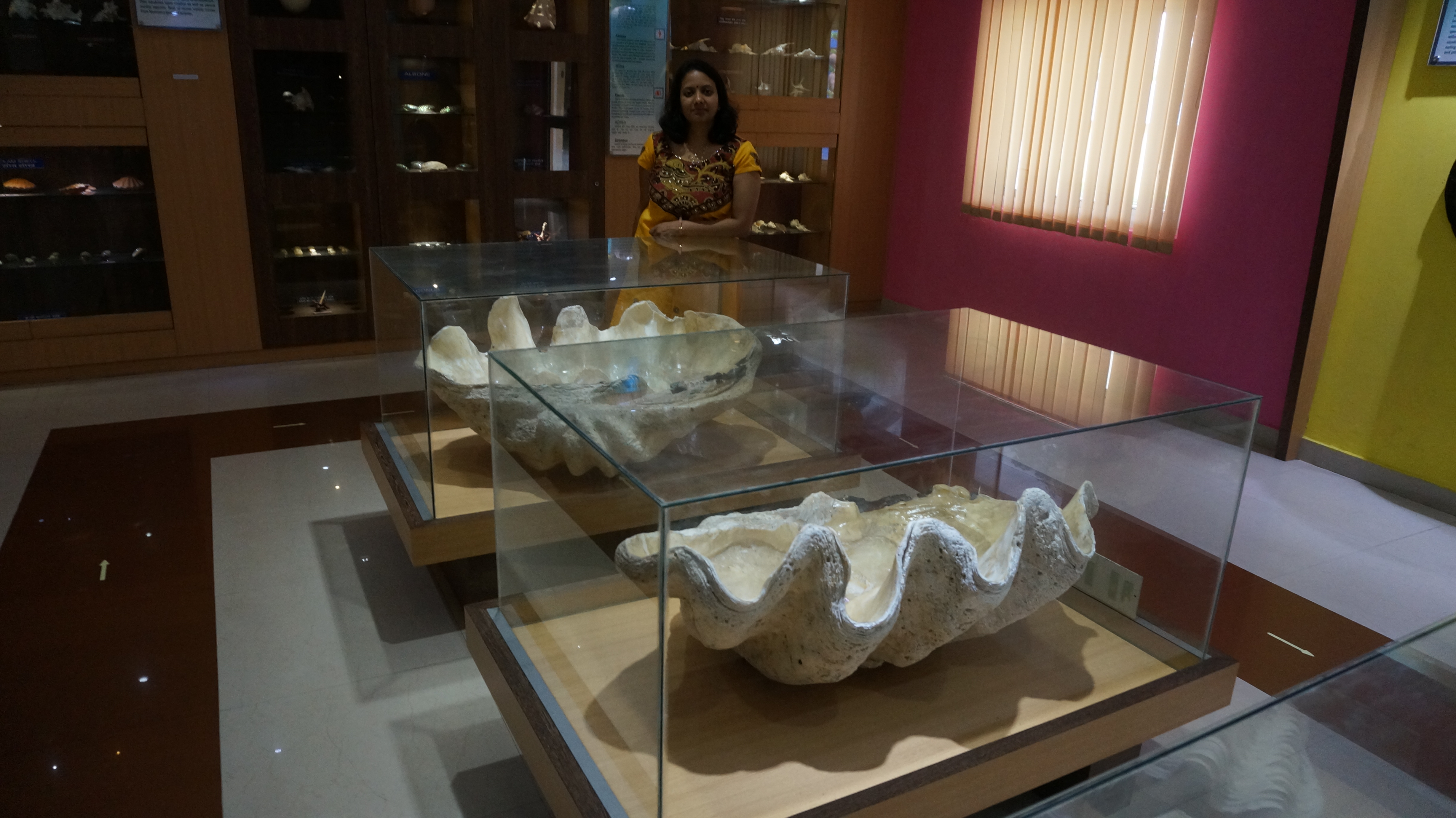
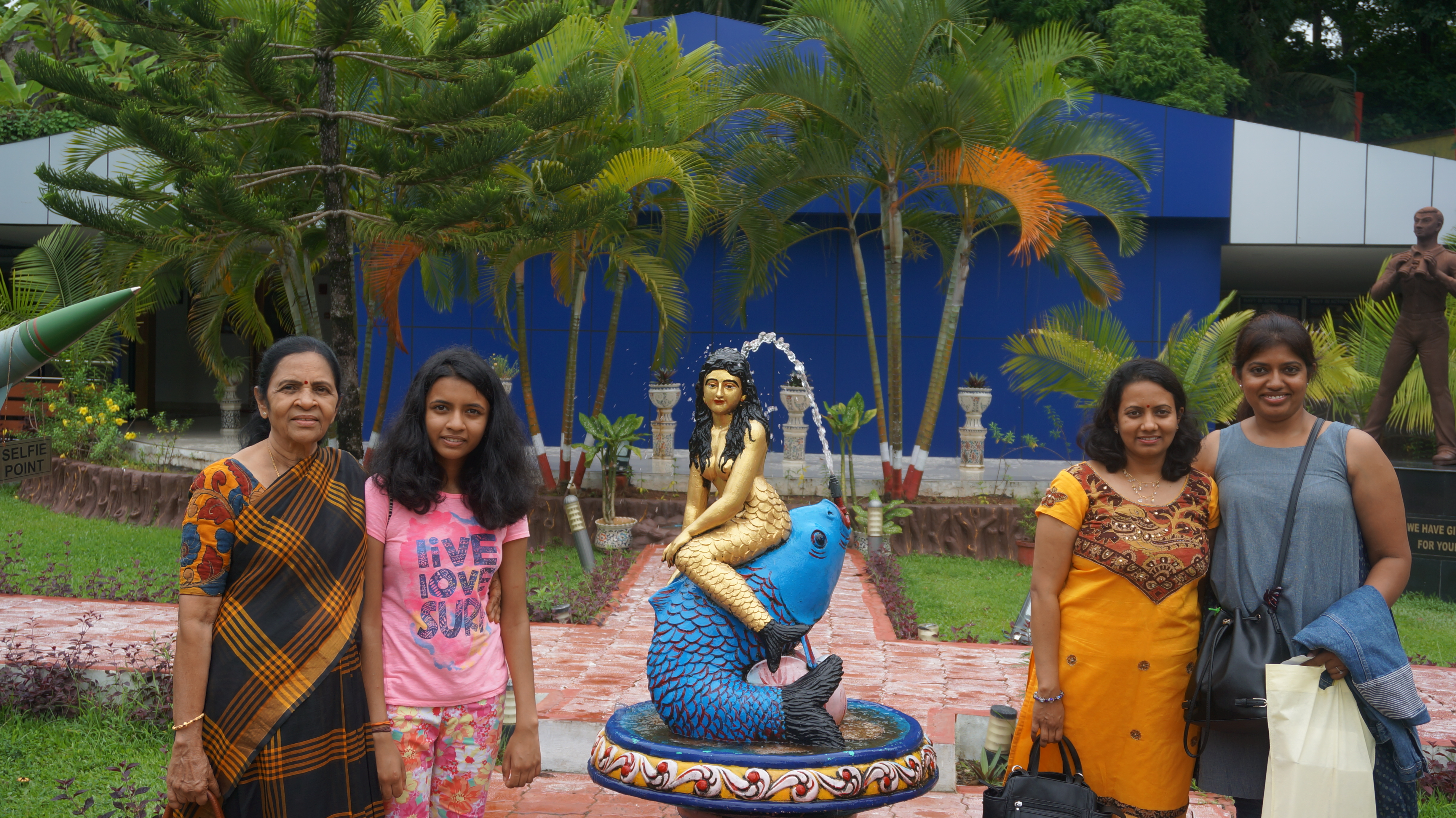
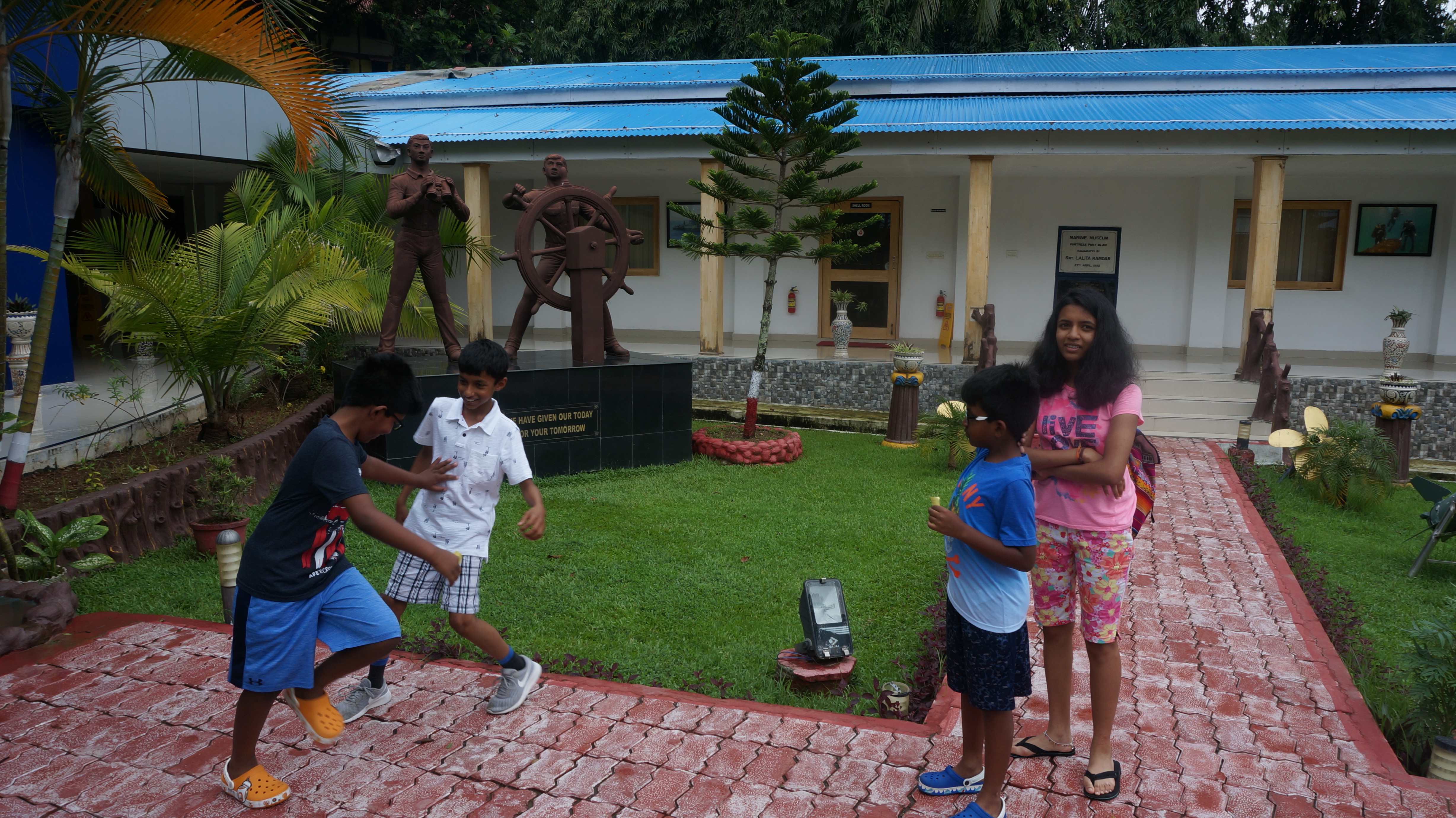
There were displays on life and culture of the indigenous tribes.
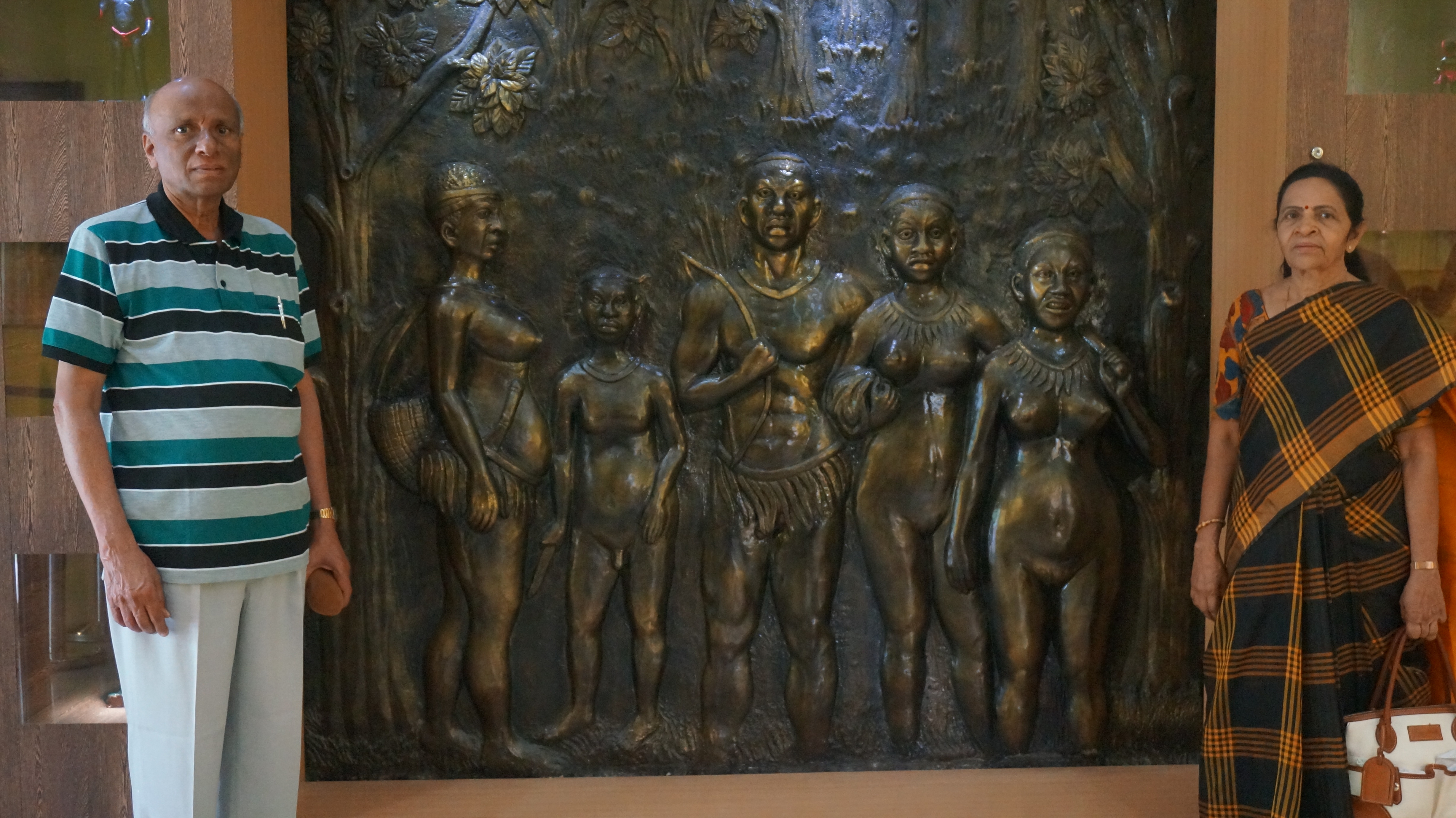
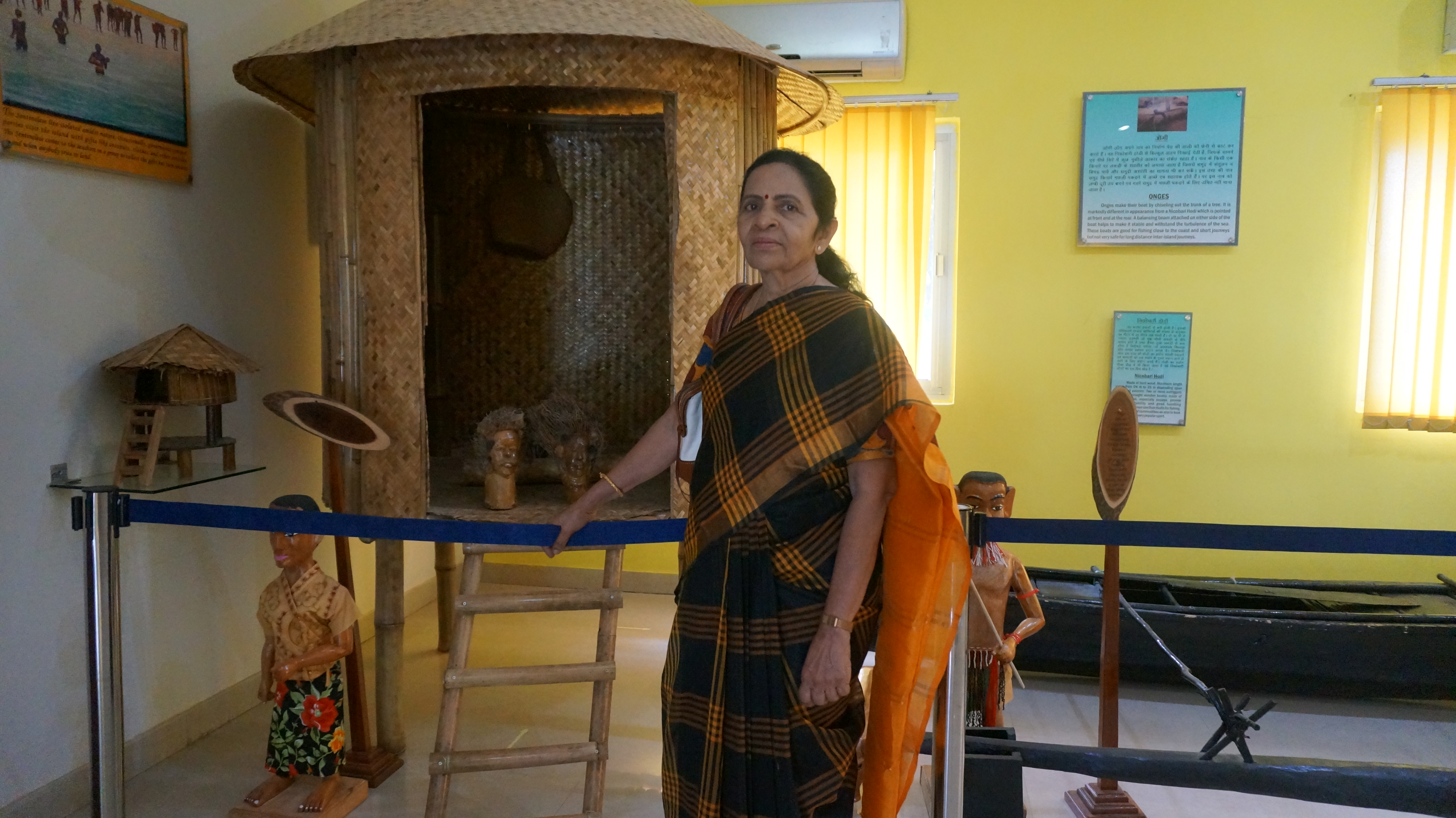
Several of the tribes seem to be in close contact with, if not absorbed into, the modern civilization. One tribe that still remains completely hostile to outside contact is the Sentinalese. The Sentinalese famously killed an American missionary John Chau in 2018, when he set foot on their island.
A part of the historic cellular jail is made into a museum.
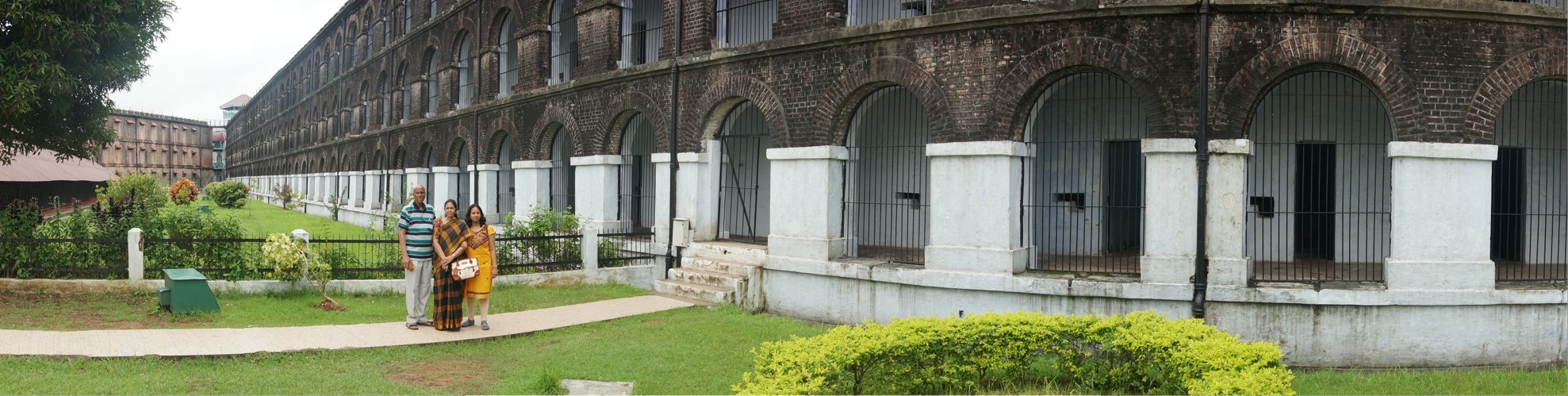
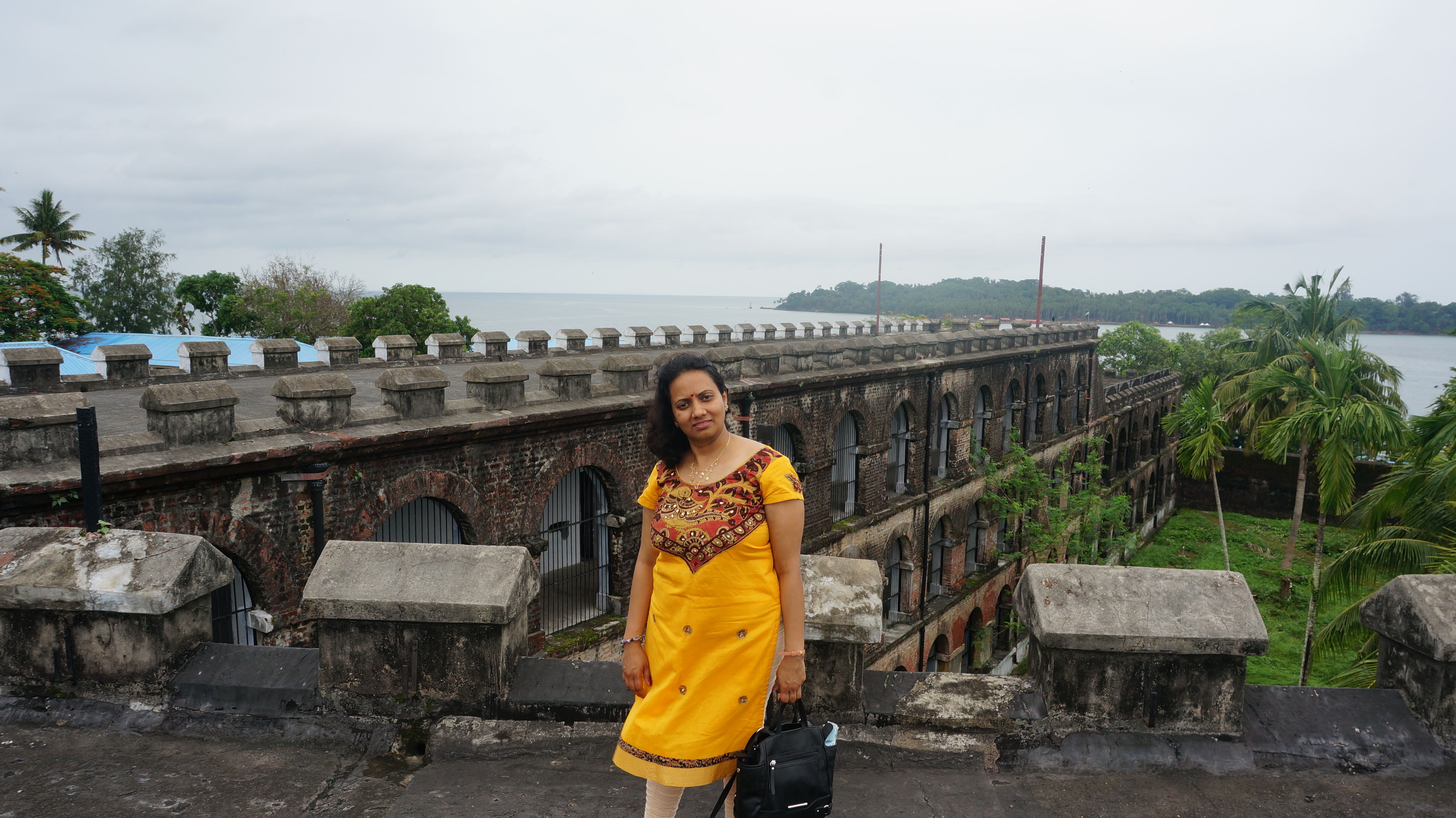
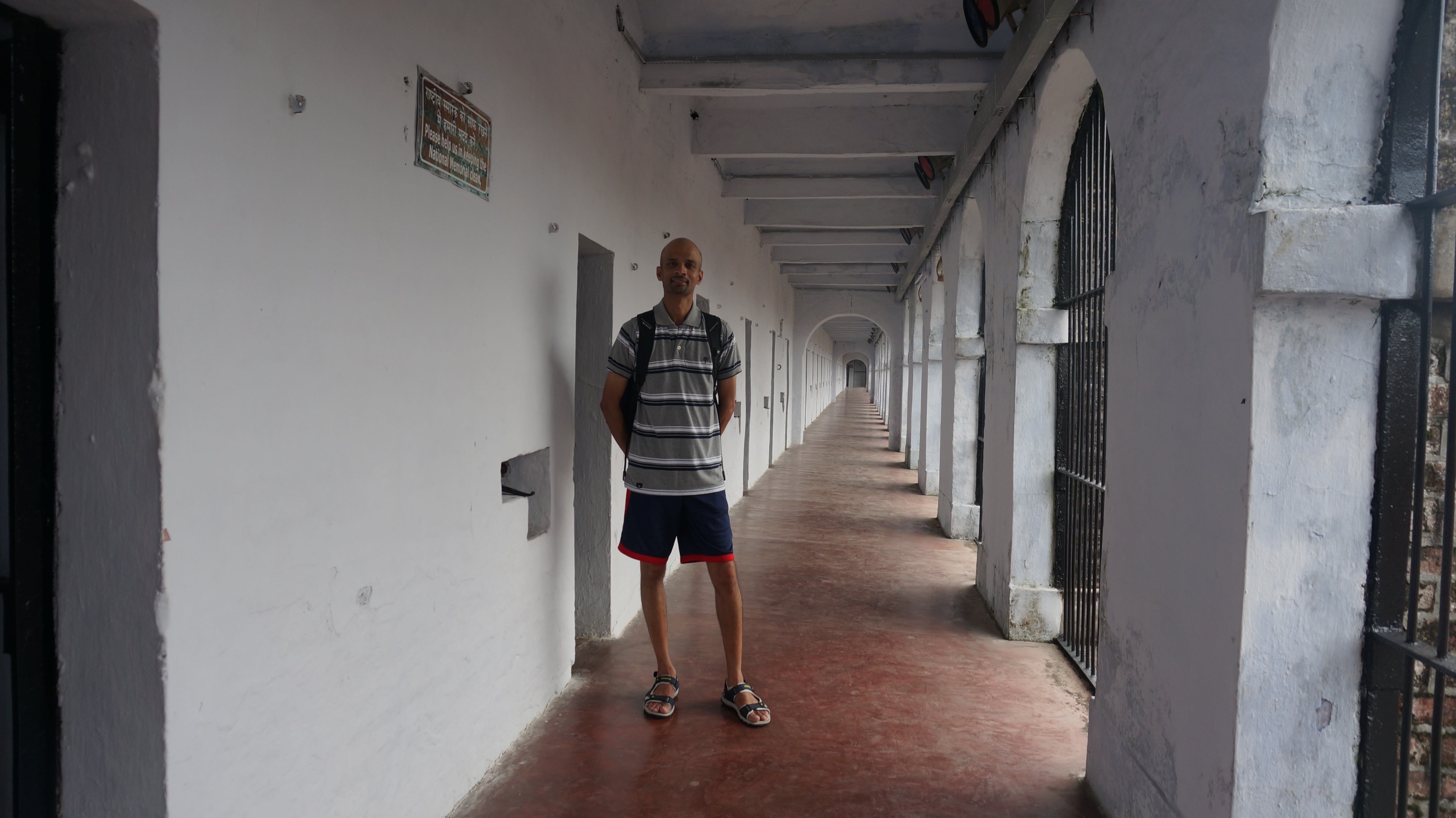
A visit to the place gives a good idea of the solitary confinement of Indian freedom fighters by the British Raj and the forced manual labor of the prisoners.
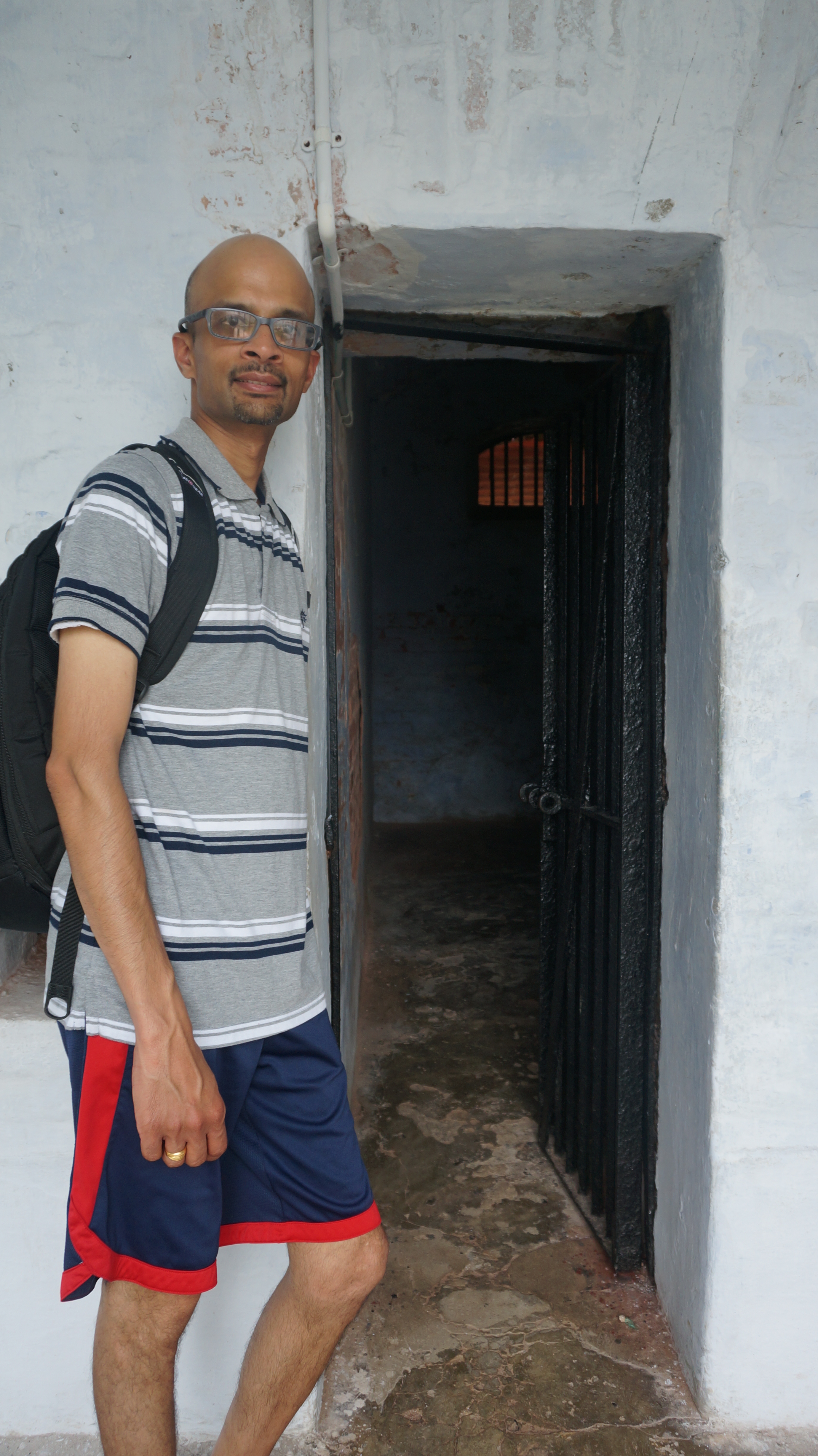
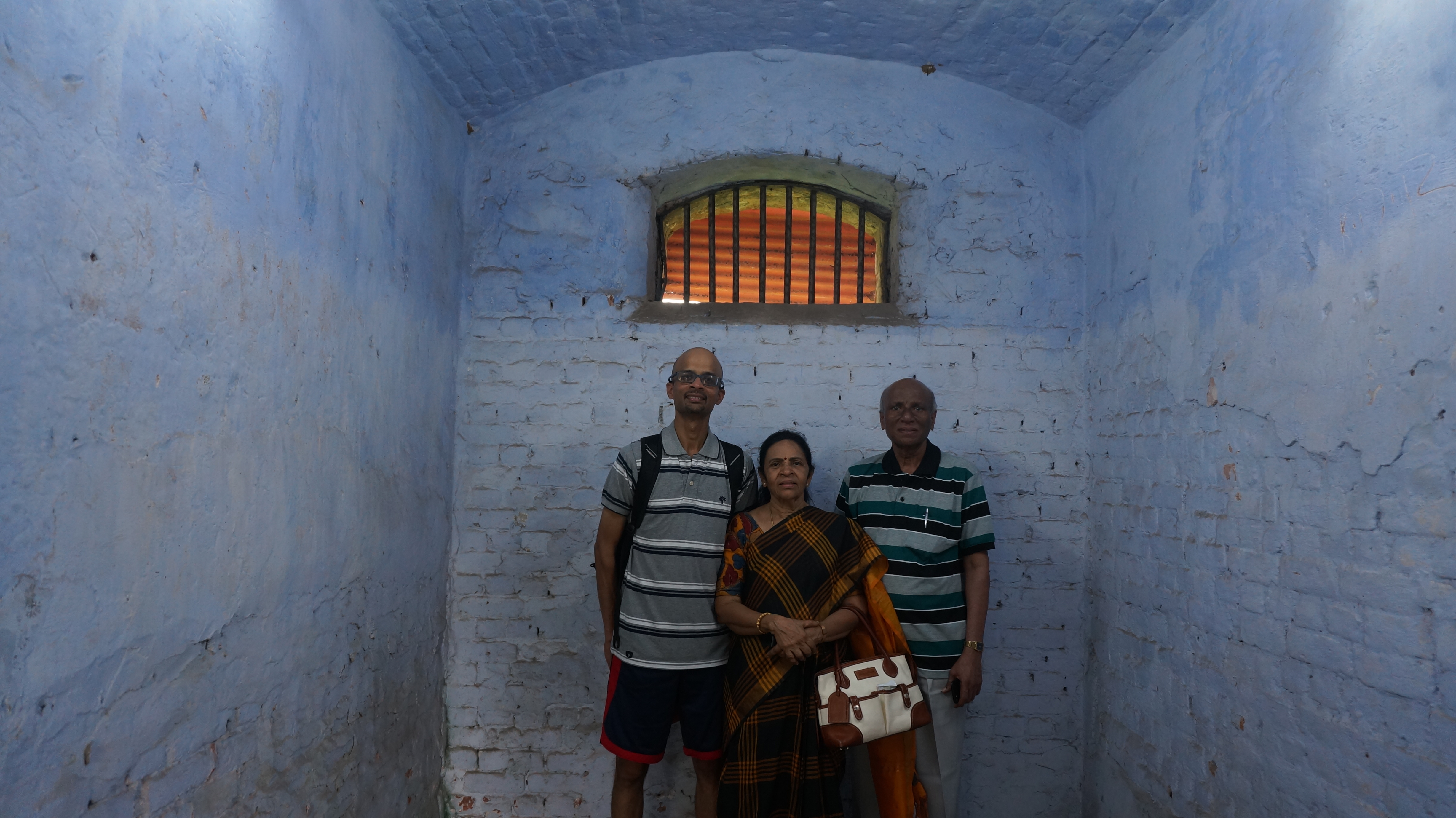
The cellular jail is also called Kala Pani, literally meaning ‘Black Water’.
An apt but chilling metaphor to a Kala Pani jail sentence exists- the sentence is compared to death itself. Sentencing a person to the Kala Pani jail meant he severs all ties to his prior life, he is transported about a 1000 miles from home – much of it on the ocean, and he spends all his remaining time in a solitary cell with no hope of ever going back. What else but death does this remind us of?